


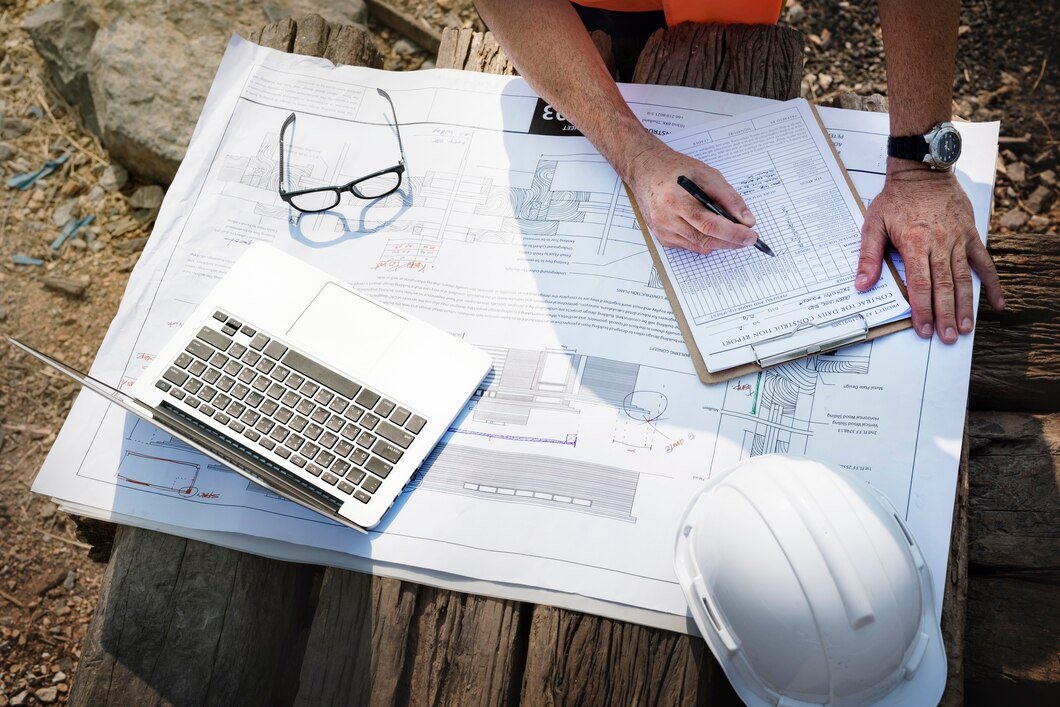
In commercial roofing, documentation is often overlooked until a problem appears. Many contractors focus heavily on installation, scheduling, and labor management, but they underestimate the role documentation plays in protecting both profit and reputation. Proper documentation provides a clear record of what was done, how it was done, and when it was completed. For growing roofing companies, strong documentation systems are not optional—they are essential.
Every roofing project involves multiple moving parts: crews, materials, safety procedures, inspections, and client expectations. Without accurate records, it becomes difficult to verify work quality, resolve disputes, or track project performance. Documentation ensures transparency and gives contractors the ability to prove compliance, demonstrate professionalism, and maintain operational control.
Protecting Against Liability and Disputes
Commercial roofing projects often involve large investments and strict contractual requirements. If a dispute arises about installation quality, material usage, or safety practices, documentation becomes the contractor’s strongest defense.
Detailed records help clarify exactly what occurred during the project and provide evidence that proper procedures were followed.
- Before-and-after photos of roof conditions
- Material delivery and usage records
- Installation progress documentation
- Inspection reports and safety logs
When these records are organized and easily accessible, contractors can respond to concerns quickly and confidently.
Supporting Warranty and Compliance Requirements
Many commercial roofing systems come with manufacturer warranties that require strict adherence to installation guidelines. If documentation is incomplete, it may be difficult to confirm that the installation met those requirements.
In addition to manufacturer standards, contractors must also comply with safety regulations and local building codes. Proper documentation provides proof that these standards were followed during the project.
- Manufacturer installation checklists
- Quality inspection records
- Safety compliance documentation
- Final project closeout reports
Maintaining these records protects both the contractor and the client while ensuring long-term system reliability.
Improving Operational Visibility
Documentation is not only useful for resolving issues—it also improves operational awareness. When project data is recorded consistently, leadership teams gain better insight into how their operations perform in the field.
This visibility helps managers understand production timelines, labor efficiency, and recurring challenges that may affect future projects.
- Daily progress reports from crew leaders
- Photo updates from job sites
- Material usage tracking
- Production timeline monitoring
With accurate information, management teams can make better decisions and improve project planning over time.
Strengthening Client Confidence
Commercial clients expect professionalism and transparency from the contractors they hire. Providing clear documentation throughout the project demonstrates accountability and builds trust with property managers, facility owners, and general contractors.
Clients appreciate knowing that their roofing system was installed according to proper standards and that records are available if questions arise later.
- Project progress updates
- Clear installation documentation
- Detailed final reports and warranties
- Professional project closeout packages
Contractors who consistently provide organized documentation often develop stronger long-term relationships with their clients.
Creating a Repeatable Operational System
Documentation also plays a major role in building scalable roofing operations. As companies grow and manage more projects, relying on memory or informal communication becomes impossible. Structured documentation creates a repeatable system that ensures consistency across every job site.
Standardized documentation processes help train new crews, maintain quality standards, and ensure that every project follows the same professional workflow.
- Standard project reporting templates
- Installation and inspection checklists
- Consistent photo documentation requirements
- Centralized record storage systems
When documentation becomes part of the operational process, companies can scale their business without losing control over quality or compliance.
Conclusion
In commercial roofing, documentation is more than paperwork—it is a tool for protecting your business, improving operations, and strengthening client relationships. Contractors who invest in clear documentation systems create a foundation for long-term success.
By recording project details, maintaining compliance records, and communicating transparently with clients, roofing companies can operate with greater confidence and professionalism.