


Supervision is one of the most underestimated factors in commercial roofing operations. Many roofing companies focus on labor, materials, and scheduling, but without strong supervision systems, even experienced crews can struggle to maintain consistent performance. Effective supervision ensures that projects stay organized, safety standards are maintained, and installation quality meets professional expectations.
As roofing companies grow and manage multiple job sites simultaneously, supervision becomes even more important. A well-structured supervision system allows contractors to maintain control over field operations while supporting crews in completing projects efficiently.
The Role of a Roofing Supervisor
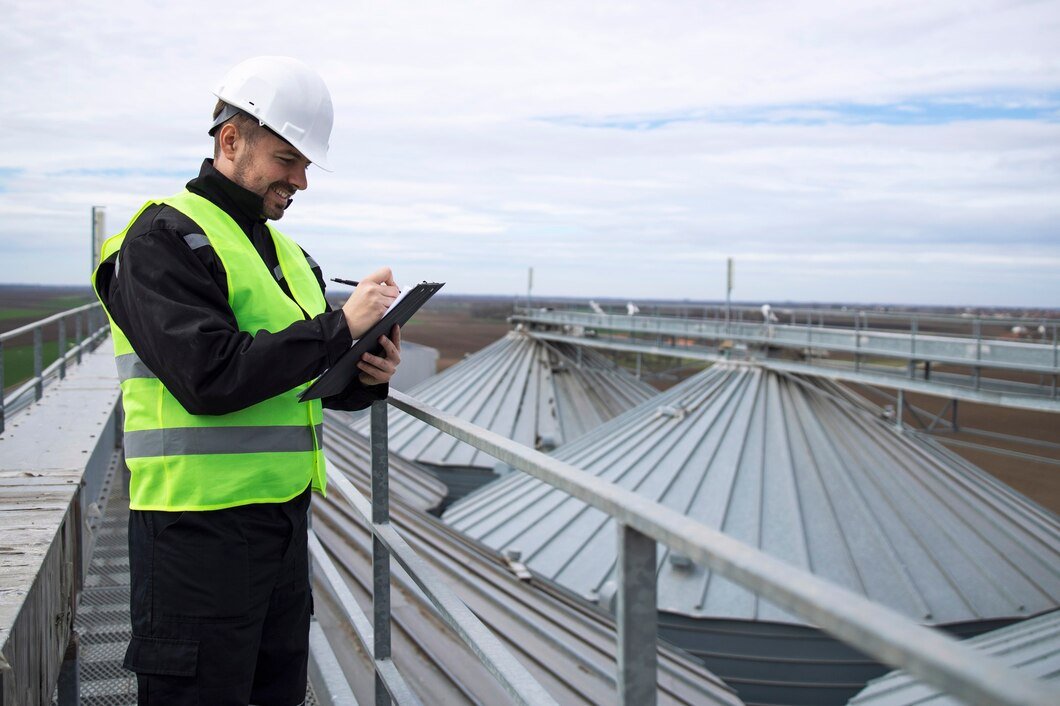
A roofing supervisor is responsible for guiding the crew, monitoring progress, and ensuring that every phase of the project follows the defined plan. Their role goes beyond simply watching the work being performed. Supervisors coordinate communication between the field team and management while maintaining quality and safety standards.
- Overseeing daily production and installation progress
- Ensuring safety procedures are followed
- Monitoring installation quality and system requirements
- Communicating project updates to management
When supervision is consistent and organized, crews can focus on the work while leadership maintains visibility over project performance.
Preventing Small Problems From Becoming Big Issues
Many roofing project delays begin with small issues that go unnoticed or unreported. A minor material shortage, installation error, or safety concern can quickly grow into a larger problem if it is not addressed early.
Supervisors play a key role in identifying these issues before they escalate. By regularly monitoring job site conditions and communicating with crew members, supervisors can resolve challenges quickly and keep the project moving forward.
- Identify installation errors early
- Address material or equipment problems
- Maintain clear communication with project managers
- Ensure crews follow proper procedures
This proactive approach prevents costly rework and helps maintain project timelines.
Improving Safety and Compliance
Commercial roofing environments require strict adherence to safety standards. Supervisors ensure that safety protocols are consistently followed across all job sites. They conduct safety checks, review job hazards, and confirm that workers are using proper equipment.
Strong supervision also supports compliance with safety regulations and company policies. This reduces the risk of accidents and helps create a safer working environment for the entire crew.
- Daily safety briefings and hazard reviews
- Inspection of fall protection systems
- Monitoring proper equipment usage
- Reporting and documenting safety conditions
When safety becomes a regular part of supervision, crews develop stronger habits that protect both workers and the company.
Supporting Crew Productivity
Supervision also improves productivity by helping crews stay organized and focused. When workers understand their responsibilities and receive clear direction, they can perform their tasks more efficiently.
Supervisors coordinate tasks, manage workflow, and ensure that the right materials and tools are available at the right time.
- Assigning clear responsibilities to crew members
- Organizing workflow throughout the day
- Ensuring materials and equipment are ready
- Tracking progress against project timelines
With proper supervision, crews spend less time waiting for instructions and more time completing productive work.
Creating a Scalable Field Operation
As commercial roofing companies grow, leadership cannot be present on every job site. Strong supervision systems allow contractors to scale operations while maintaining control over field performance.
By training supervisors and implementing structured reporting systems, companies can maintain consistency across multiple projects.
- Standard supervision procedures for every project
- Regular progress reporting from job sites
- Clear communication between supervisors and management
- Defined escalation procedures for field challenges
This structure ensures that leadership stays informed while supervisors manage day-to-day operations effectively.
Conclusion
Supervision is a critical component of successful commercial roofing operations. It supports quality control, improves safety, and ensures that projects remain organized and productive.
Companies that invest in structured supervision systems are better equipped to manage multiple projects, maintain consistent standards, and deliver reliable results for their clients.
By strengthening supervision practices, roofing contractors can create a more stable, scalable, and professional operation.